
How Crafting Can Support Mental Wellbeing in Winter
Winter can be a challenging season for mental wellbeing. Shorter days, colder weather, and reduced social contact often combine to create feelings of low energy, isolation, or emotional heaviness. For many of us, the pace of life doesn’t slow down — even when our bodies and minds are asking for rest.
Crafting, particularly slow and tactile forms like stitching, embroidery, or textile work, can offer a gentle counterbalance during the winter months. It’s not a cure-all, but it can be a meaningful, supportive practice — one that meets us where we are.
Why winter affects our mood
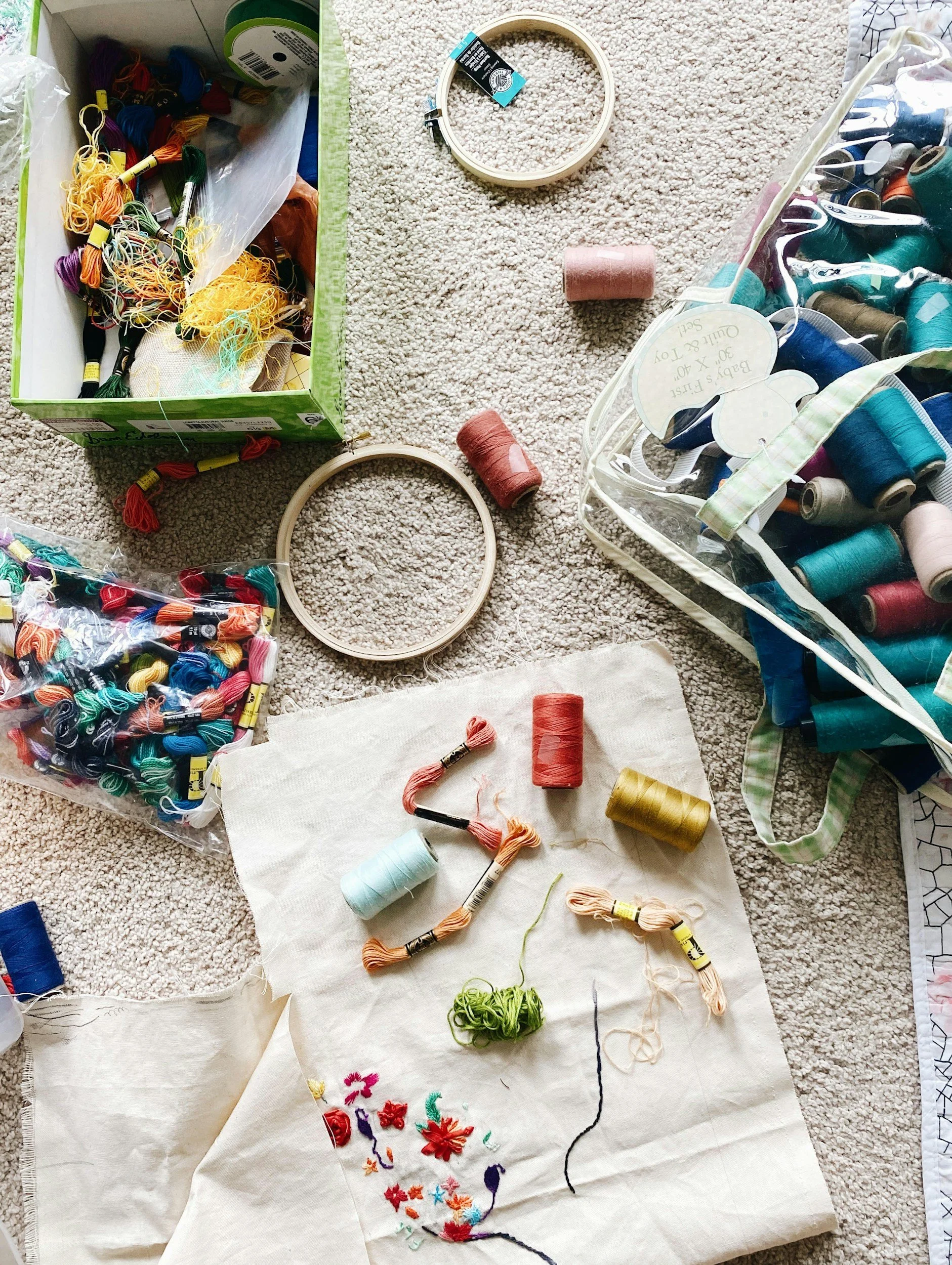
Seasonal changes have a real impact on how we feel. Reduced daylight can affect circadian rhythms and serotonin levels, while colder weather often leads to spending more time indoors and less time moving or connecting socially. Together, these shifts can contribute to low mood, anxiety, or a sense of disconnection.
In winter, many people feel pressure to “push through” rather than adapt. But winter asks something different of us — slower rhythms, more rest, and more inward attention.
The neuroscience of repetitive handwork
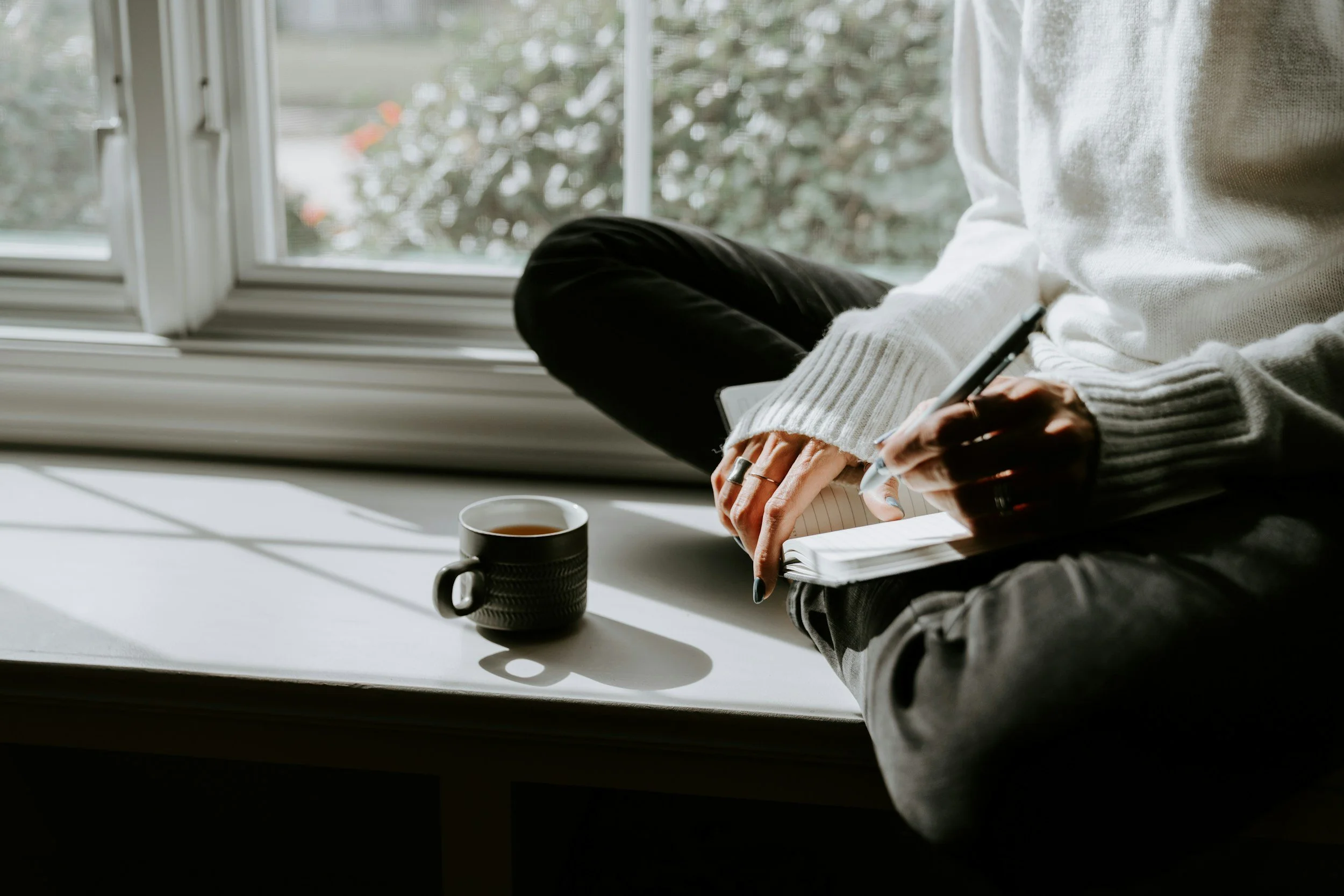
Repetitive hand-based activities like stitching, knitting, or weaving have been shown to support nervous system regulation. These actions engage both sides of the brain and activate similar neural pathways to mindfulness practices.
The steady rhythm of repeated movements can help:
Reduce stress and anxiety
Lower heart rate
Improve focus and concentration
Support emotional regulation
Unlike screen-based activities, tactile making grounds us in the present moment. The sensory feedback of fabric, thread, and movement helps anchor attention in the body — which is especially helpful during periods of mental overwhelm.
Craft as mindfulness — without pressure
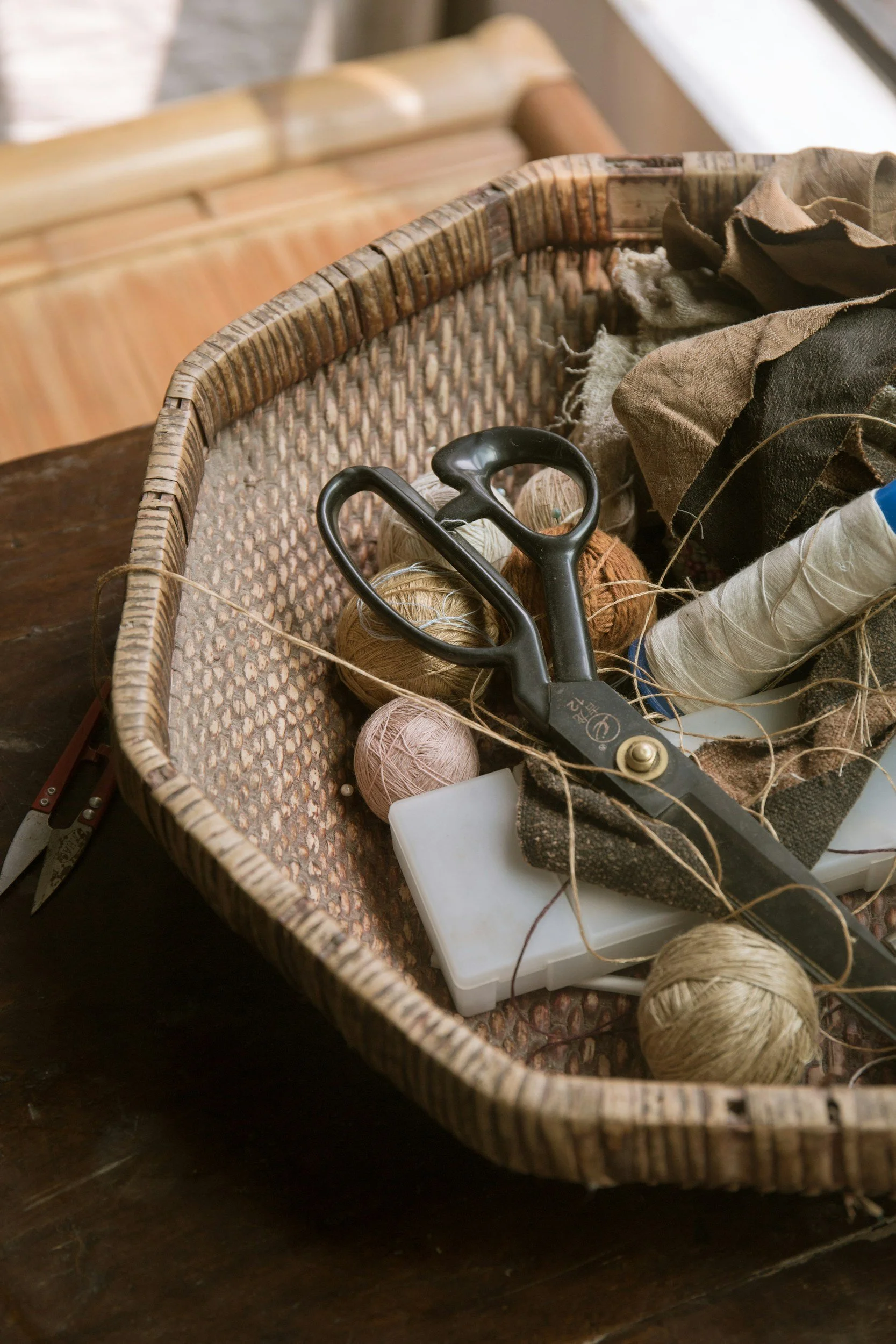
For many people, traditional mindfulness or meditation can feel inaccessible or intimidating. Craft offers an alternative form of mindfulness — one that doesn’t require silence, stillness, or “emptying the mind.”
When we craft, we give our hands a task and allow our thoughts to soften around it. There’s no expectation to be calm or productive. The focus is on process, not outcome.
This is especially valuable in winter, when energy levels fluctuate and perfectionism can feel heavier. Craft allows for imperfection, pauses, and unfinished work — all of which mirror the reality of being human.
Making alone vs making together
IBoth solitary and communal crafting have benefits.
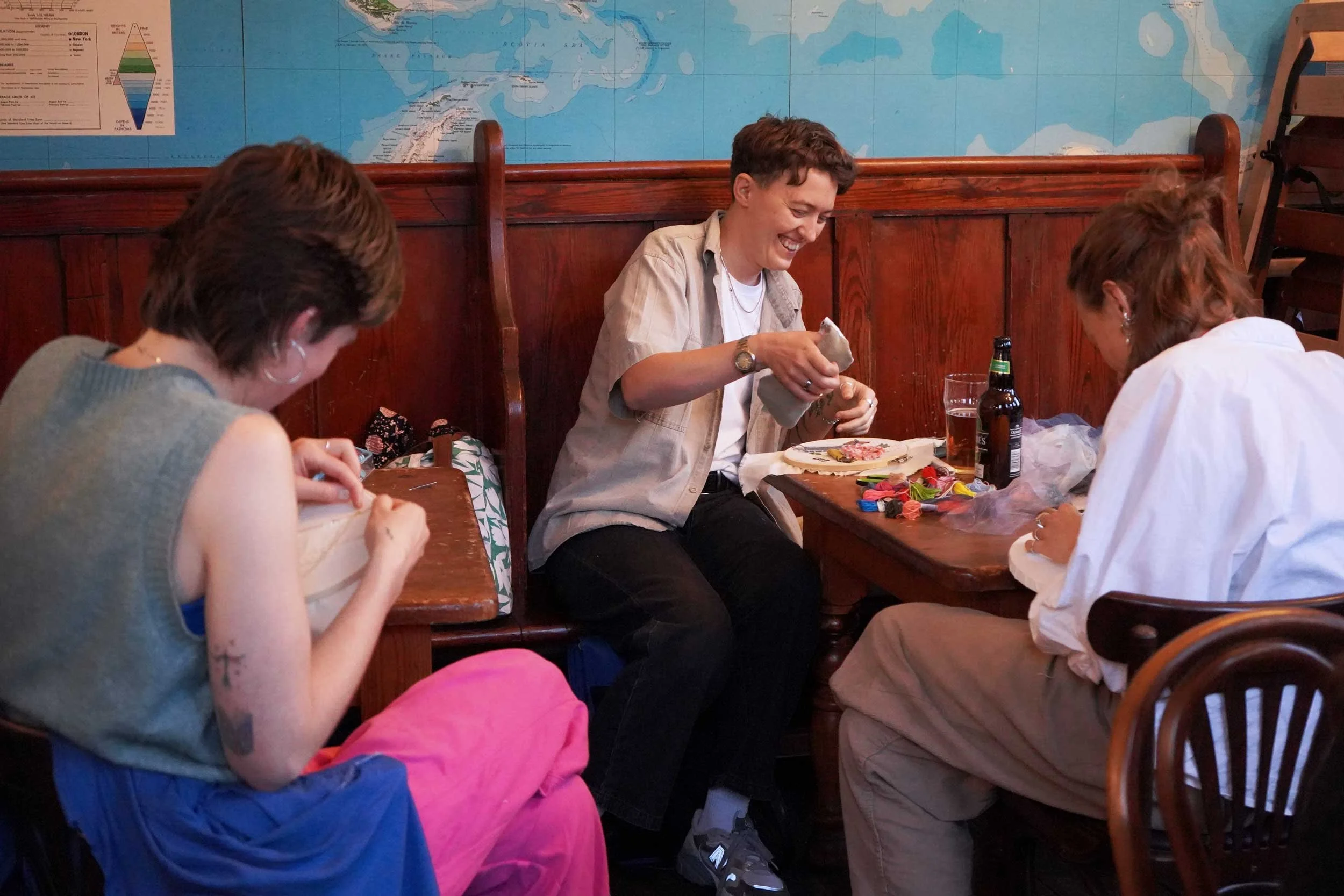
Making alone can feel restorative and grounding, offering quiet time for reflection. Making together, however, introduces something additional: connection. Crafting in community creates shared focus without pressure to perform socially. Conversations unfold naturally, silences feel comfortable, and people often feel safer expressing themselves.
During winter, when isolation can intensify, gentle creative gatherings can help maintain a sense of belonging — without the intensity of traditional socialising.
Gentle ways to start crafting in winter
If crafting feels appealing but overwhelming, start small:
Choose simple, repetitive techniques
Use materials that feel soft or familiar
Set aside short, low-pressure time slots
Let the process be enough — no goals required
You don’t need to be “creative” or experienced. Craft is less about skill and more about presence.
In winter, supporting mental wellbeing doesn’t always mean doing more. Sometimes it means choosing practices that allow us to slow down, reconnect with our bodies, and create small moments of care — one stitch at a time.
If you’re craving a slower, more grounded way to care for your mental wellbeing this winter, my textile workshops offer a gentle space to make, reflect, and connect — no experience needed.
These sessions are about process over perfection, hands-on creativity, and creating together at a human pace. You’re warmly welcome to join whenever it feels right.
Suggested sources for further reading:
Harvard Health Publishing: Creativity, stress reduction, and mental health
British Journal of Occupational Therapy: Craft, flow states, and wellbeing
Royal College of Occupational Therapists: Creative activities and mental health
Betsan Corkhill — Knit for Health
Dr Kelly Lambert — research on hand-based activities and emotional resilience
