
What Textile Art Can Teach Us About Resilience and Identity
Textile art is often described as soft, decorative, or domestic — yet its history tells a far more powerful story. Across cultures and generations, textiles have been used to carry memory, express identity, and survive adversity. In moments of uncertainty, fabric becomes more than material: it becomes a record of care, labour, resistance, and resilience.
Unlike faster, more consumable art forms, textile work is slow by nature. Stitch by stitch, it demands time, patience, and attention. This slowness mirrors how resilience itself is formed — gradually, imperfectly, through repetition and repair.
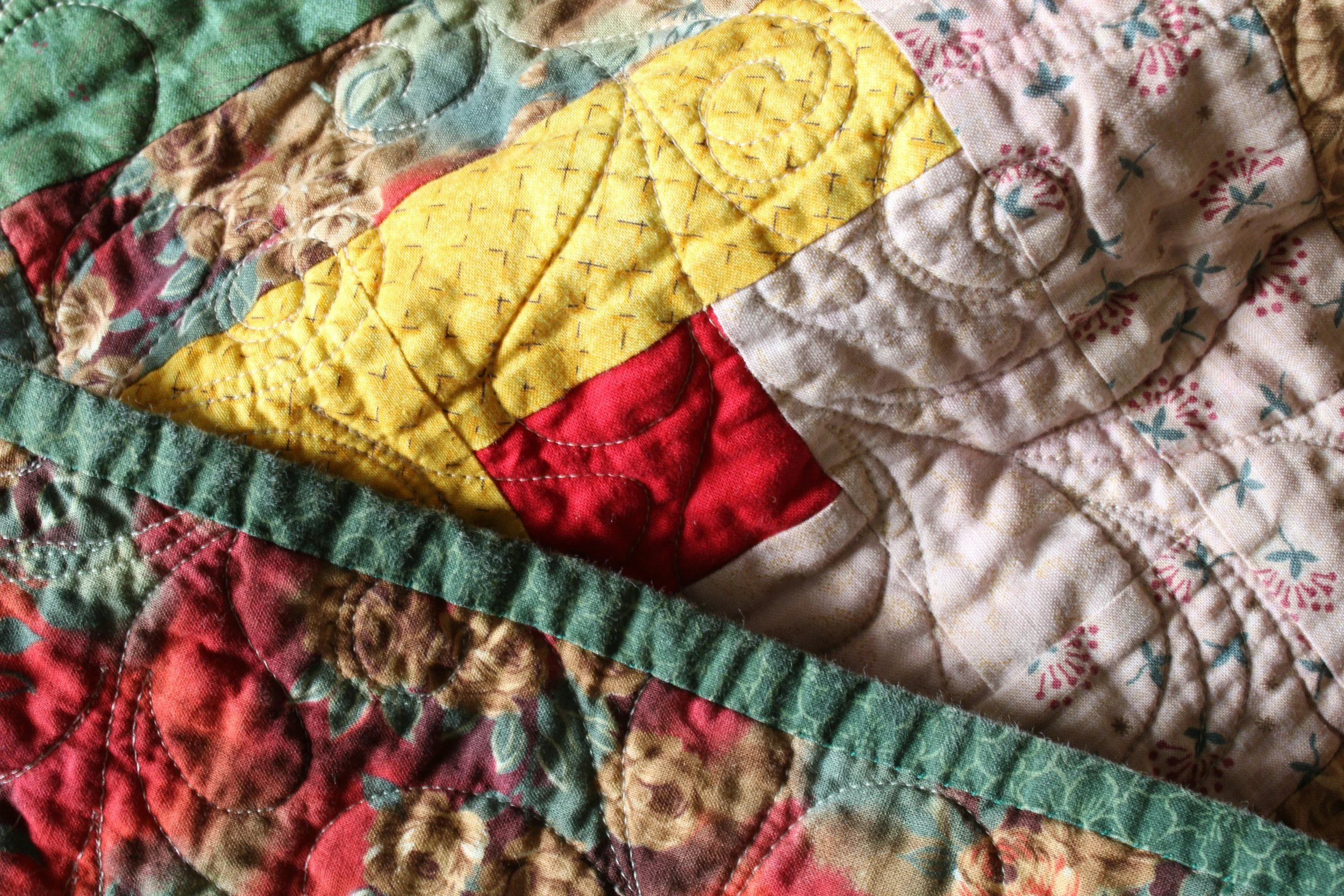
Textiles as Carriers of Identity
Fabric is deeply personal. It touches the body, marks rituals, and moves through daily life in ways few other materials do. Quilts, garments, banners and embroideries have long been used to communicate identity when words alone were not enough — or not permitted.
For marginalised communities, textile art has often acted as an alternative archive. The AIDS Memorial Quilt, begun in 1987, is one of the most powerful examples: thousands of hand-stitched panels commemorating lives lost to HIV/AIDS, created at a time when public recognition and care were dangerously absent. Each square is intimate, specific, and deeply human — a collective act of mourning and remembrance stitched together.
Similarly, feminist and queer textile traditions have used embroidery and domestic craft to reclaim skills historically dismissed as “women’s work.” Scholar Rozsika Parker, in The Subversive Stitch, writes about how embroidery has been used both to enforce and to resist social norms — a duality that continues to resonate today.
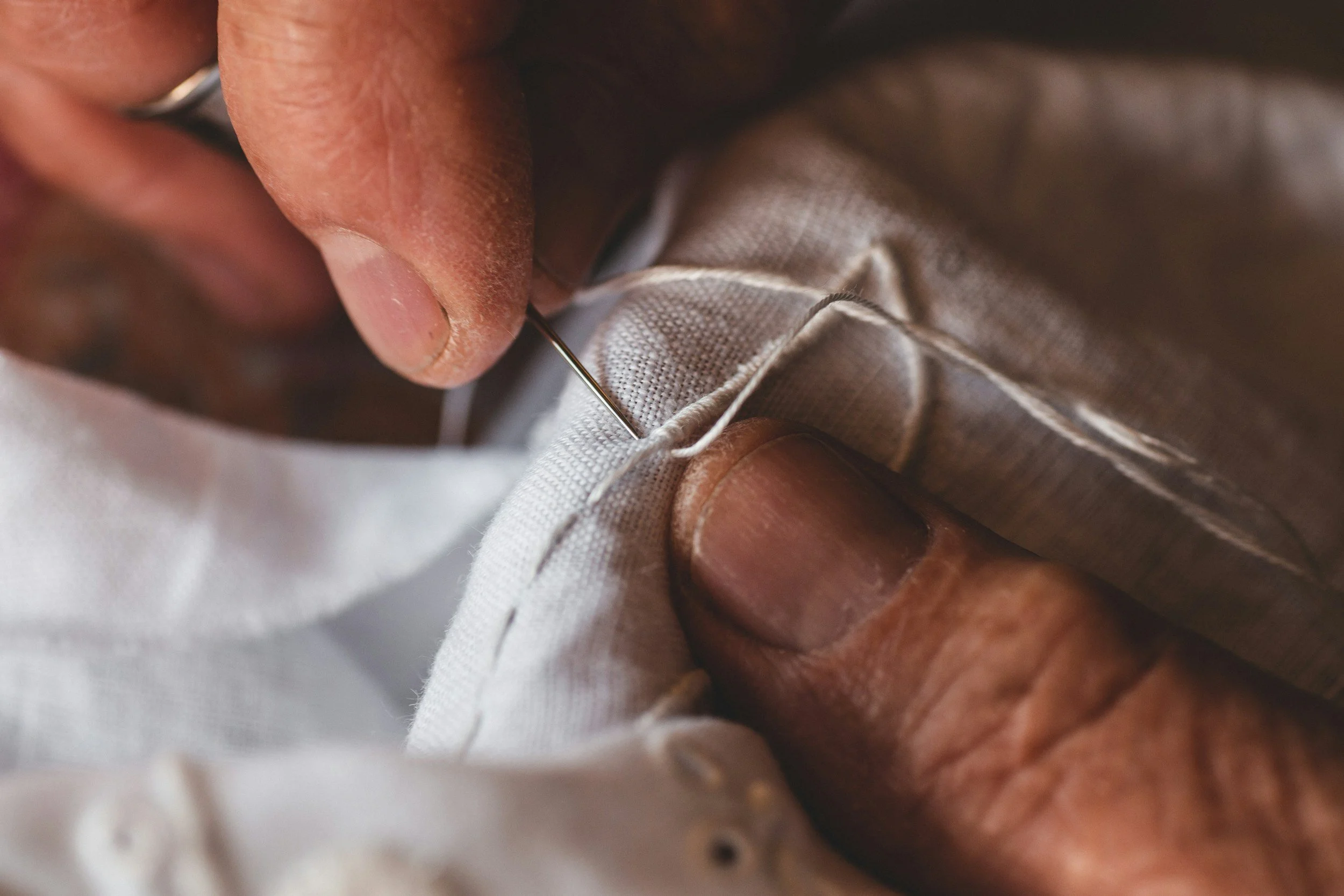
Repair, Mending and Resilience
Repairing textiles teach us that damage does not mean the end. Fabric can be patched, darned, reinforced, and reworked. Visible mending — where repairs are intentionally highlighted rather than hidden — offers a quiet philosophy of resilience: survival does not require erasure of harm.
In Japanese textile traditions such as boro, layers of repaired cloth tell stories of scarcity, care and endurance across generations. These textiles are valued not despite their wear, but because of it.
This idea feels especially relevant in contemporary life. Resilience is often framed as toughness or endurance, but textiles suggest another approach: softness, adaptability, and care. Strength can exist alongside fragility.
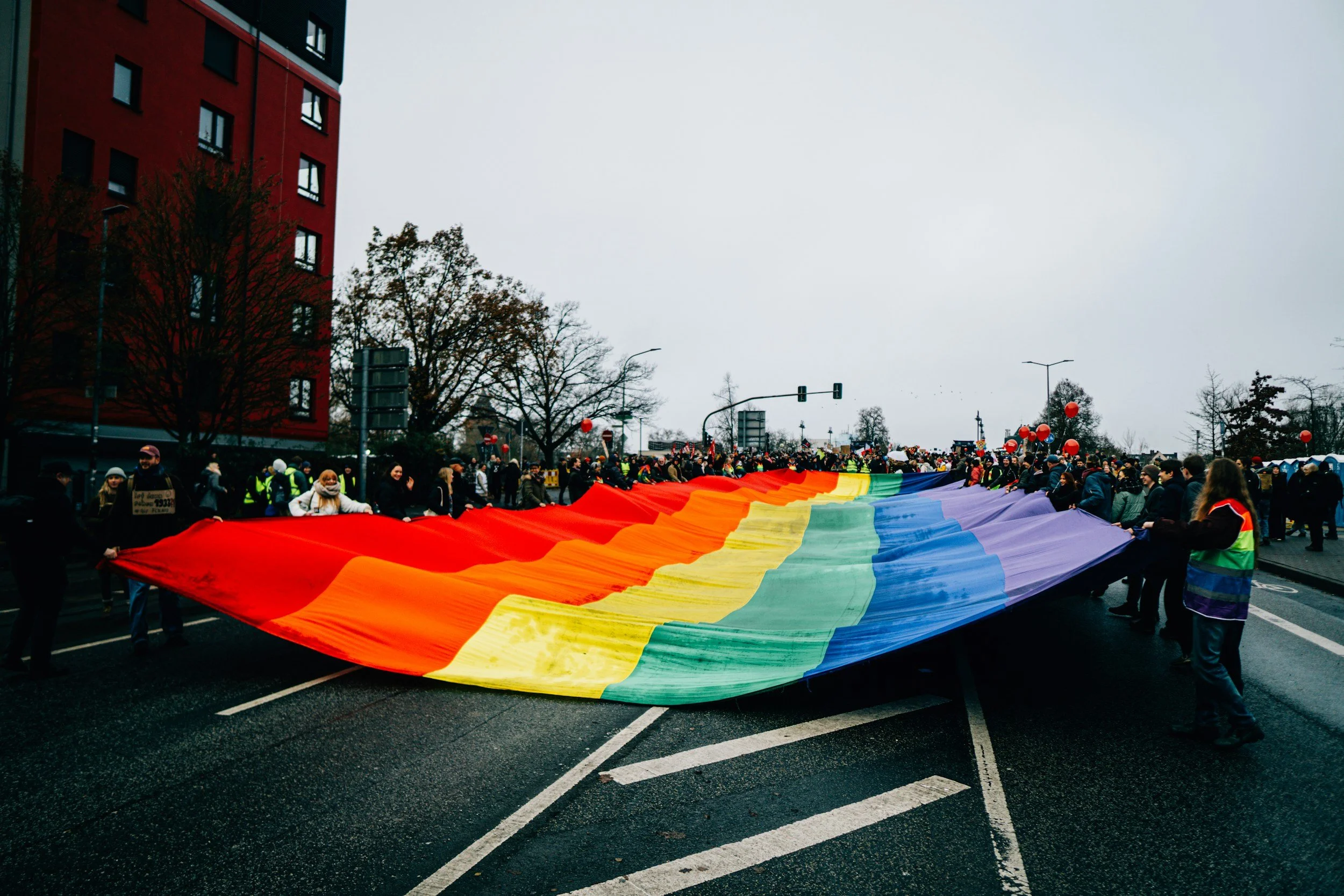
Queer and Collective Making
For queer communities, textile art has frequently provided a space for expression outside institutional systems. From protest banners to zines, from club flyers to hand-stitched messages, making becomes a way to assert presence and build belonging.
What makes textile art particularly powerful is its capacity for collective creation. Sewing circles, quilting bees and communal workshops create environments where stories are shared alongside materials. The act of making together fosters connection, trust and collective resilience — reminding us that survival is rarely an individual achievement.
This is something I witness regularly while facilitating workshops. People arrive unsure of their creative abilities, and leave having made something meaningful — but more importantly, having connected with others through shared attention and care.
Why Textile Art Matters Now
In a world shaped by speed, productivity and constant output, textile art offers a different rhythm. It values process over perfection, repair over replacement, and connection over isolation.
Resilience is not about never breaking. It’s about learning how to stitch ourselves — and each other — back together.
If this resonated with you
Many of the ideas explored here — stitching as reflection, making as resilience, and craft as a way to hold identity — are themes I explore in my workshops. These sessions are open, welcoming spaces to slow down, make with your hands, and connect through shared creativity.
If you’d like to learn more or join a future workshop, you can explore what’s coming up here.
Suggested sources for further reading:
National AIDS Memorial Quilt: https://www.aidsmemorial.org/quilt-history
UK AIDS Memorial Quilt: https://www.aidsquiltuk.org/
Rozsika Parker, The Subversive Stitch: https://www.goodreads.com/book/show/1042865.The_Subversive_Stitch
Victoria and Albert Museum: Textile collections & repair traditions: https://www.vam.ac.uk/collections/textiles?srsltid=AfmBOorfXD2d1i-o5nvInnU-TgFpqGdmM1Hk1gN8KFBNzRQ8FEk1WUPX
Japan Crafts: About Japanese Boro: https://www.japancrafts.co.uk/boro.html#/
Crafts Council UK – Craft, wellbeing and community: https://www.craftscouncil.org.uk/topics/wellbeing
